In the rapidly evolving digital landscape of 2026, search engines are smarter, faster, and more intuitive than ever before. With generative AI, evolving ranking systems, voice search dominance, privacy-first models, and deeper interpretations of user intent, search algorithm changes have become more impactful—and more frequent.
For businesses looking to thrive online, keeping pace with these updates isn’t optional. It’s foundational. That’s where partnering with a top digital marketing agency like Asteeri Infotech becomes a game-changer.
In this blog, we’ll unpack the most important search engine updates of 2026, why they matter for marketers, and how the right digital marketing partner can unlock sustainable growth in this new era of search.
The 2026 Search Ecosystem — What’s Changed?
Over the past few years, search engines have undergone dramatic transformations. Many advancements that were once “emerging trends” in SEO have now become table stakes.
Here’s what the search environment looks like in 2026:
1. AI-First Search Ranking
Search engines now use large language models (LLMs) to understand content context, sentiment, and user intent more deeply. It’s no longer enough to include keywords; search engines measure usefulness by how well content answers real questions.
Impacts for marketers:
2. Semantic Search Is Mainstream
Search is no longer about exact keyword matching. It’s about topic clusters, related concepts, and intent fulfillment.
Example:
Someone searching for “best fitness routine” isn’t just looking for a program—they’re looking for plans, diets, schedules, beginner advice, wearable tech recommendations, and more.
3. Voice Search Is Standard
With wearables, smart devices, and hands-free tech, voice search now accounts for a large share of queries—especially local and mobile.
Voice search traits:
4. Privacy-First Data Models
With privacy regulations evolving (GDPR, CCPA expansion, etc.), user data tracking has shifted. Search personalization now happens without intrusive cookies or fingerprinting.
Outcome:
5. Visual Search and AR Integration
Search engines now allow users to search using images or augmented reality. For example, point your phone at a dress and instantly get search results for similar products.
Opportunity:
What Marketers Must Prioritize in 2026?
Surviving and thriving in 2026 requires marketers to rethink SEO strategies, adapt to smarter ranking systems, and focus on high-quality engagement. Here are the most crucial priorities:
1. E-A-T Is Non-Negotiable (Experience, Authority, Trust)
Search engines in 2026 weigh E-A-T as a core ranking signal. This means sites must demonstrate real expertise, be trusted sources, and show authoritativeness on topics.
How to build E-A-T:
A top digital marketing agency understands how to craft content that aligns with E-A-T principles and signals credibility to search engines.
2. Content Must Be Intent-Driven, Not Keyword-Driven
Traditional keyword research still matters—but it’s no longer the centerpiece.
Modern content strategy emphasizes:
Successful content in 2026 answers questions before users ask them.
3. Conversational and Voice SEO
Voice search differs from typed search. It’s more conversational, usually longer, and focused on natural language questions.
Voice optimization tactics:
Optimizing for voice search is complex—another reason why collaborating with a top digital marketing agency can give you an edge.
4. Mobile-First and Experience-First Signals
Search engines have long prioritized mobile usability, but in 2026, this has expanded into experience signals such as:
Great content is not enough—how it’s delivered matters too.
5. AI Content Detection and Quality Control
AI can create content, but search engines penalize low-quality, spammy, or irrelevant AI-generated content. Only high-value, unique, audience-focused content wins.
Best practices for AI content:
To stay competitive, many marketers partner with specialists who know how to balance AI capabilities with search engine expectations.
The Role of a Top Digital Marketing Agency in 2026
Search updates are continuous—and technical. Google alone releases frequent core updates, helpful content enhancements, and experimentation models year-round. Partnering with a top digital marketing agency isn’t a luxury—it's essential.
Here’s how the right agency supports businesses today:
1. Strategic SEO Roadmaps
A quality agency builds SEO strategies tailored to your mission, audience, and competitive landscape. That includes:
They don’t just rank keywords—they influence business growth.
2. Content Creation That Aligns With Search Signals
Top agencies don’t write for bots—they write for humans and search context. They produce content that:
Content becomes an asset that drives traffic, leads, and conversions.
3. Ongoing Algorithm Monitoring
The most impactful updates are subtle and gradual. A strong agency:
This proactive monitoring prevents traffic loss and maximizes growth.
4. Technical SEO Expertise
From site speed optimization to structured data, technical health is foundational for search success.
Top agencies handle:
This ensures search engines can access, interpret, and reward your content.
5. Data-Driven Decision Making
Analytics matter more than ever. The best agencies help you:
This turns SEO from a cost to an investment with measurable ROI.
Search Engine Updates That Matter Most in 2026
Here’s a deeper look at the most influential updates shaping the SEO landscape this year and what they truly mean for marketers:
1. AI-Powered Query Understanding
Search engines now interpret queries on a far deeper semantic level using advanced AI models. They no longer rely solely on keyword matching; instead, they evaluate context, tone, intent, and even emotional nuance. Engines can detect whether a user is researching, comparing options, ready to purchase, or simply exploring a topic.
They also recognize implicit questions and related subtopics, meaning your content must cover an entire concept—not just a single phrase. Pages now compete for semantic relevance and topical authority rather than isolated keyword rankings.
2. Helpful Content Enhancements
Search systems continue refining how they identify genuinely helpful, people-first content. Algorithms evaluate the depth of insight, clarity of explanation, originality, and completeness of answers.
Key signals include:
Thin, repetitive, or generic content is filtered out more aggressively than ever before.
3. Local and Voice Query Prioritization
Voice and local searches are increasingly treated as distinct result categories. Conversational phrasing, question-based queries, and location-specific intent are heavily prioritized. Businesses must optimize for natural language patterns and localized relevance to stay visible.
4. Privacy-Centric Personalization
With stricter privacy standards, personalization now relies on contextual signals such as device type, session behavior, and geographic indicators—rather than invasive tracking. Value-driven content has become the primary driver of visibility.
5. Visual Search Updates
Visual search continues to expand through image recognition and AR integrations. Proper image optimization, structured data, and contextual metadata are essential for brands aiming to appear in image-based search results.
How Marketers Should Respond?
Understanding algorithm updates is only half the battle. The real competitive advantage comes from how quickly and strategically marketing teams adapt. Here’s how businesses should respond in 2026:
1. Audit Your Content for Relevance
Start with a comprehensive content audit. Identify pages that offer thin, outdated, or repetitive information. Review performance metrics to determine which articles are losing traffic and why.
Look for:
Instead of deleting underperforming pages, refresh and expand them with updated data, clearer explanations, multimedia elements, and stronger internal linking. Search engines reward content that evolves and improves over time.
2. Build Topic Clusters
Modern SEO is topic-driven, not keyword-driven. Rather than creating isolated pages targeting individual phrases, develop comprehensive topic clusters centered around user needs.
This approach:
Topic clusters signal depth and expertise, increasing your chances of ranking for broader semantic queries.
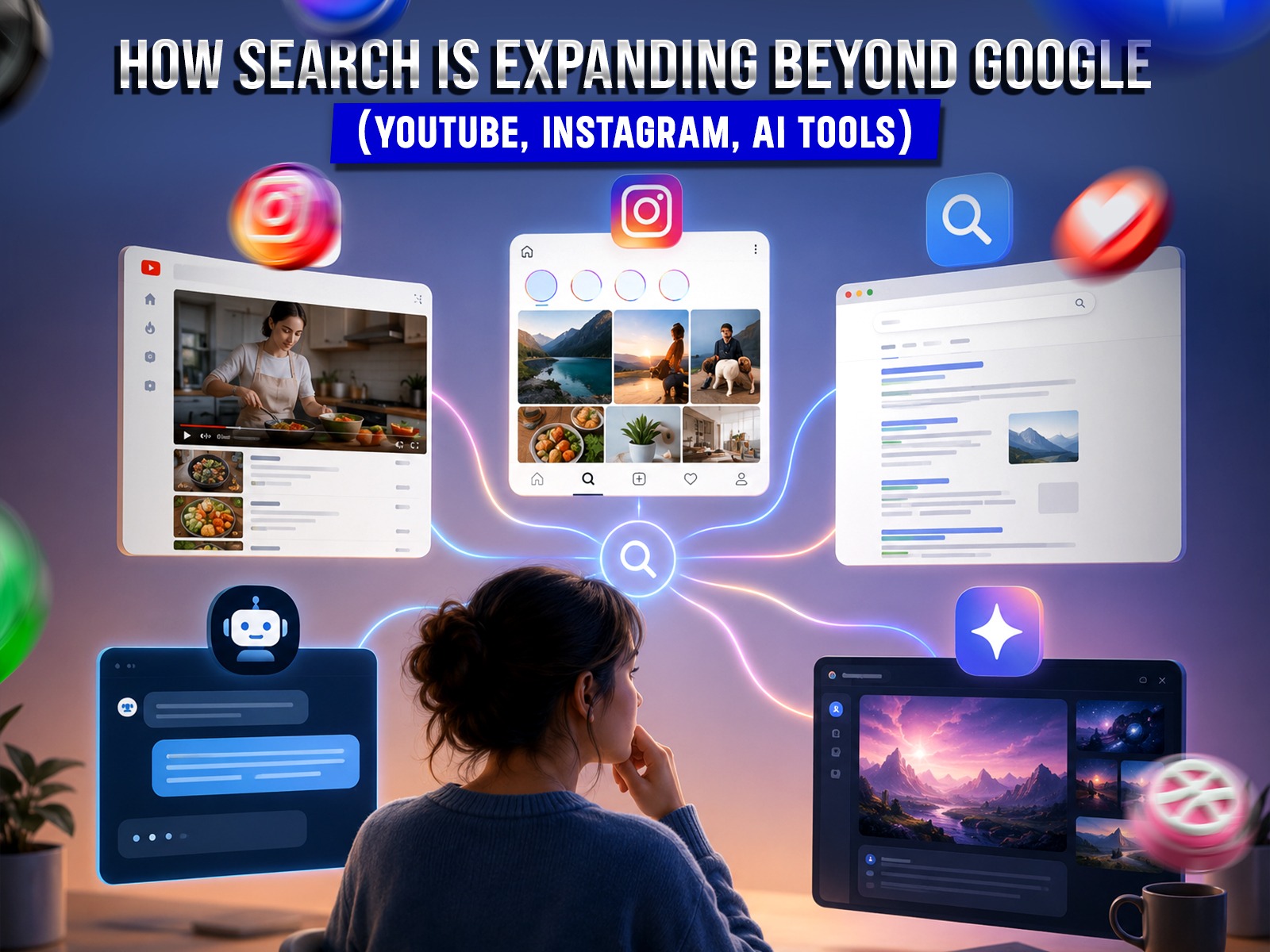
3. Expand Into New Search Formats
Search is now multi-format. Optimize for voice queries using conversational language and FAQs. Enhance visual search performance with structured image data and descriptive alt text. Incorporate video content with transcripts and detailed annotations. Diversifying formats broadens your reach across search channels.
4. Strengthen Technical SEO Infrastructure
Technical excellence remains foundational. Improve site speed, Core Web Vitals, crawlability, structured data, mobile responsiveness, and overall security. Strong technical health supports better indexing and user experience.
5. Focus on Engagement Metrics
Monitor engagement indicators like time on page, scroll depth, bounce patterns, and returning visits. These signals increasingly influence how search engines evaluate content usefulness and relevance.
The Competitive Advantage of a Partner
In today’s rapidly evolving search landscape, success requires more than occasional optimization—it demands strategic direction, technical precision, and continuous adaptation. Hiring the right partner equips your business with the expertise and agility needed to stay ahead of algorithm shifts and market changes.
Expertise Across Disciplines
Modern digital growth is multi-dimensional. SEO no longer operates in isolation—it intersects with content strategy, user experience (UX) design, analytics, paid media campaigns, and brand storytelling. A strong digital partner brings all these disciplines together into one cohesive strategy.
Instead of fragmented efforts, you gain an integrated approach where content supports SEO, UX boosts engagement, analytics guide decisions, and paid media complements organic visibility.
Continuous Innovation
Search engines evolve constantly. The most effective agencies don’t simply react after rankings drop—they anticipate changes by monitoring trends, testing new approaches, and refining strategies proactively.
This forward-thinking mindset allows businesses to capitalize on emerging opportunities, whether that’s voice optimization, AI-driven content refinement, or new search formats.
Data-Led Insights
Growth should be measurable. A reliable partner focuses on meaningful performance indicators—organic growth, qualified traffic, conversion rates, and user behavior patterns.
Rather than presenting vanity metrics, they translate data into actionable insights that improve campaigns and strengthen ROI.
Scalable Strategies
Whether your business is targeting a local audience or expanding globally, strategy must scale with ambition. The top digital marketing agency adapts campaigns, content, and technical frameworks to match your growth stage.
Frequently Asked Questions
Asteeri Infotech delivers all of this—powered by advanced search intelligence, performance optimization expertise, and a commitment to long-term digital success.
1. What’s changed in search engines in 2026?
Search engines are moving beyond traditional rankings. AI-driven “AI Overviews” and generative search are reshaping how content appears to users, often showing answers directly without a click. This means marketers must optimize not just for organic traffic but for AI visibility and citations too.
2. How does the Google February 2026 Discover update affect marketers?
The February 2026 Discover Core Update finished rolling out and now rewards content that’s locally relevant, deeply informative, and trustworthy, while reducing clickbait and shallow pieces. Focus on expertise and quality to stay visible.
3. Do clicks still matter in search visibility?
Not as much as before. A growing number of searches (especially with AI Overviews) end without clicks. For many queries, being cited in AI answers or featured in AI summaries matters more than ranking #1 in classic search.
4. What should marketers optimize for now?
In 2026, marketers need to combine traditional SEO with:
Local and structured data signals to help AI and search engines understand business info.
5. Are keywords still important?
Keywords alone are less important. Search prioritizes intent and topic relevance—content that fully answers a user’s needs—over matching exact keywords. This shift means creating comprehensive, user-focused content is key.
Conclusion: What Marketers Must Know in 2026
Search engine optimization has firmly entered a new era—one defined by intelligence, context, and user-first experiences. In 2026, intent consistently beats isolated keywords, AI understands meaning beyond surface-level phrases, and quality far outweighs quantity.
Search engines are no longer just matching text; they are interpreting objectives, evaluating usefulness, and measuring engagement. At the same time, user experience now carries equal weight with relevance, and search itself has become multimodal—spanning voice, visual, and semantic interactions across multiple devices and platforms.
Navigating this increasingly sophisticated landscape alone can feel overwhelming for many businesses. Algorithm updates are more nuanced, competition is more strategic, and expectations for content quality are higher than ever. This is where partnering with a top digital marketing agency like Asteeri Infotech becomes a true competitive advantage.
With the right strategic direction and technical expertise, businesses can increase organic visibility, build sustainable traffic growth, create engaging content that genuinely resonates with their audience, and achieve measurable return on investment.
In 2026 and beyond, search is no longer just about rankings or traffic numbers—it’s about meaningful connections. The brands that succeed are those that understand their audience at a human level and use evolving search technologies to deliver value, solve real problems, and create lasting digital relationships.

August 25,2020
September 29,2022
August 31,2026
July 3,2020
December 3,2023
June 27,2025
August 22,2023


Copyright 2026 | All Rights Reserved by Asteeri Infotech